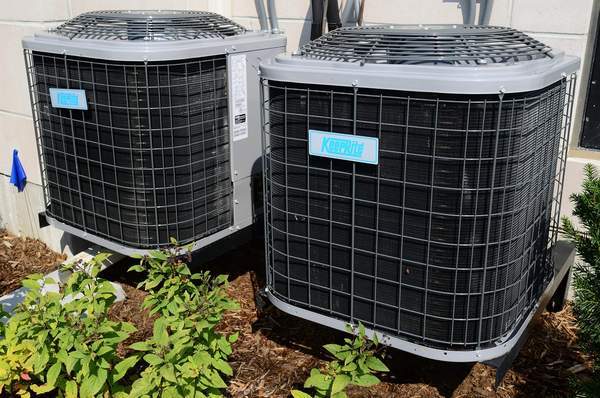
Aging HVAC systems often produce a symphony of squeaks, hums, and rattles that homeowners may find perplexing. These unexpected noises not only signal potential inefficiencies but also highlight the importance of regular maintenance and inspections. Understanding these sounds can prevent costly repairs and ensure the system operates effectively, contributing to a comfortable living environment.
Common Noises and Their Causes
The variety of sounds emanating from an HVAC system can indicate different issues. Squeaks might result from worn-out fan belts, while rattling could point to loose components. Humming noises often suggest electrical issues. Homeowners should take note of these sounds as:
- Squeaking: Typically caused by misaligned or dry bearings.
- Rattling: Often results from loose screws or debris in the system.
- Humming: Could indicate electrical problems or a failing motor.
Prompt attention to these noises can prevent further damage and maintain the system’s efficiency.
Practical Maintenance Tips
Regular maintenance is crucial for the longevity of HVAC systems. Homeowners should consider the following practices:
- Schedule bi-annual inspections with a certified technician to identify and address issues early.
- Replace air filters every 1-3 months to ensure optimal airflow and system efficiency.
- Inspect and clean air ducts every 3-5 years to prevent dust buildup and improve air quality.
Adhering to these practices not only extends the life of the system but also enhances overall home comfort.
Industry Standards and Safety
Compliance with industry standards such as those set by the American Society of Heating, Refrigerating and Air-Conditioning Engineers (ASHRAE) is essential. These guidelines ensure systems operate safely and efficiently. Regular inspections by professionals can verify compliance and detect potential safety hazards.
In summary, the unexpected music of aging HVAC systems serves as a reminder of the importance of regular maintenance and inspections. Engaging professional home inspection services can help identify issues early, ensuring systems remain safe and efficient for years to come.