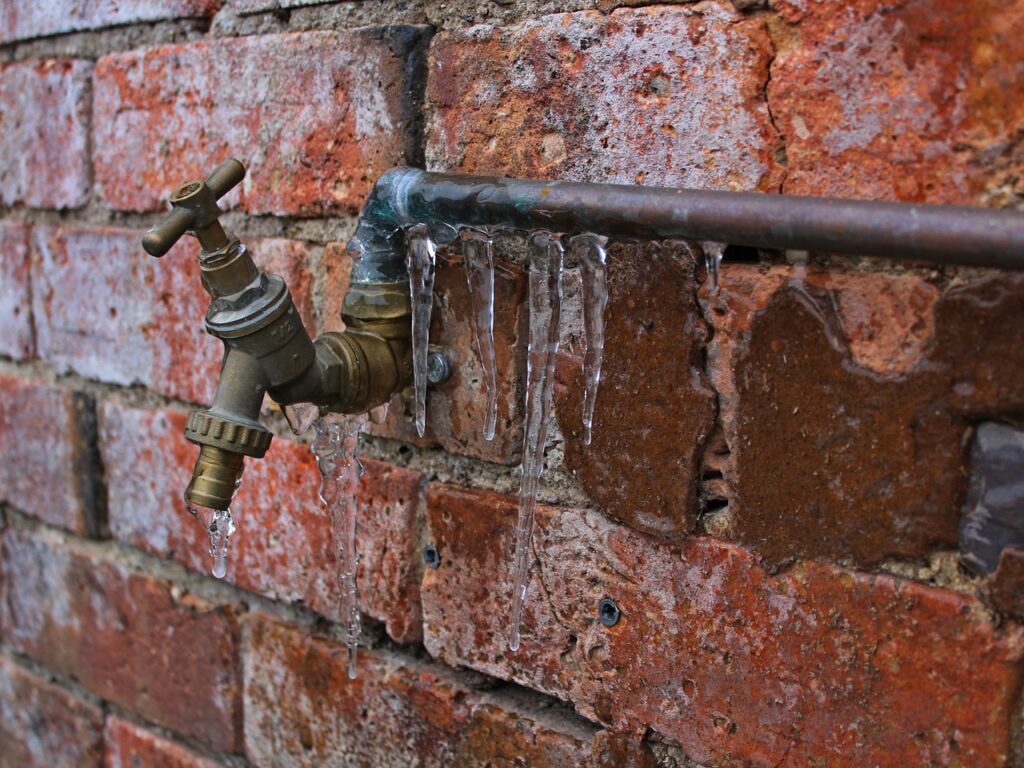
As the winter months roll in, the picturesque snowfall and cozy fireside gatherings can bring a sense of warmth to our hearts. However, beneath that snowy blanket lies a potential nightmare for homeowners—frozen pipes. When temperatures plummet, water inside your pipes can freeze, causing a cascade of issues that range from inconvenient to potentially catastrophic. In this blog, we’ll explore what causes frozen pipes, the telltale signs, and how to prevent and thaw them.
The Culprit: Why Do Pipes Freeze?
Before we delve into the solutions, it’s important to understand why pipes freeze in the first place. It all comes down to basic physics. When water temperature drops, it contracts and can create pressure within your pipes. If this pressure increases due to freezing temperatures, it can lead to pipe bursts. Here are some factors that contribute to frozen pipes:
Subfreezing Temperatures: Extremely cold weather is the primary cause of frozen pipes. The longer the cold spell, the greater the risk.
Poor Insulation: Insufficient insulation in your home, especially in areas like basements, attics, and crawl spaces, can leave pipes vulnerable to freezing.
Exterior Walls: Pipes located in exterior walls are more exposed to cold temperatures, making them susceptible to freezing.
Neglected or Uninsulated Areas: Pipes in cabinets, closets, or hidden corners are often forgotten when it comes to insulation, making them prime candidates for freezing.
Spotting the Signs: How to Recognize Frozen Pipes
Identifying frozen pipes in your home is crucial for quick intervention. Here are some common signs:
No Water Flow: If you turn on a faucet and only a trickle comes out, it may be a sign of a frozen pipe.
Frost on Pipes: Inspect exposed pipes in unheated areas for frost or ice on the exterior.
Strange Odors: A sewage-like smell from your drains could indicate a blocked pipe due to freezing.
Bulging or Cracked Pipes: When a pipe freezes, the pressure can cause it to expand and potentially rupture.
Prevention: Keeping the Chill at Bay
Preventing frozen pipes is always preferable to dealing with the consequences. Here are some tips to protect your plumbing:
Insulate Your Pipes: Add insulation to vulnerable areas, including basements, attics, and crawl spaces.
Seal Cracks and Gaps: Ensure that cold air can’t penetrate your home through cracks, gaps, or openings.
Let Faucets Drip: Allowing a slow drip from faucets during extremely cold nights can relieve pressure within the pipes.
Keep the Heat On: Maintain a consistent temperature in your home, even when you’re away, to prevent pipes from freezing.
Open Cabinet Doors: In the kitchen and bathroom, open cabinet doors to allow warm air to circulate around pipes.
Thawing Frozen Pipes: A Delicate Operation
If you suspect you have frozen pipes, it’s crucial to act promptly. Here’s a safe method for thawing them:
Locate the Frozen Pipe: Identify the affected area, and leave nearby faucets open to relieve pressure.
Apply Heat: Use a hairdryer, heat lamp, or space heater to apply gentle, even heat to the frozen section. Begin at the faucet end and work your way towards the blockage.
Never Use an Open Flame: Avoid using a torch, propane heater, or any open flame, as it can lead to dangerous situations.
Call a Professional: If you’re unsure or the situation is severe, don’t hesitate to call a professional plumber for help.
In conclusion, dealing with frozen pipes can be a challenging and potentially expensive issue for homeowners. However, with the right preventive measures and a swift response, you can minimize the risk and protect your home from the chilling consequences of frozen pipes. Remember, when it comes to frozen pipes, a little prevention goes a long way in maintaining a warm and functional home during the winter months.