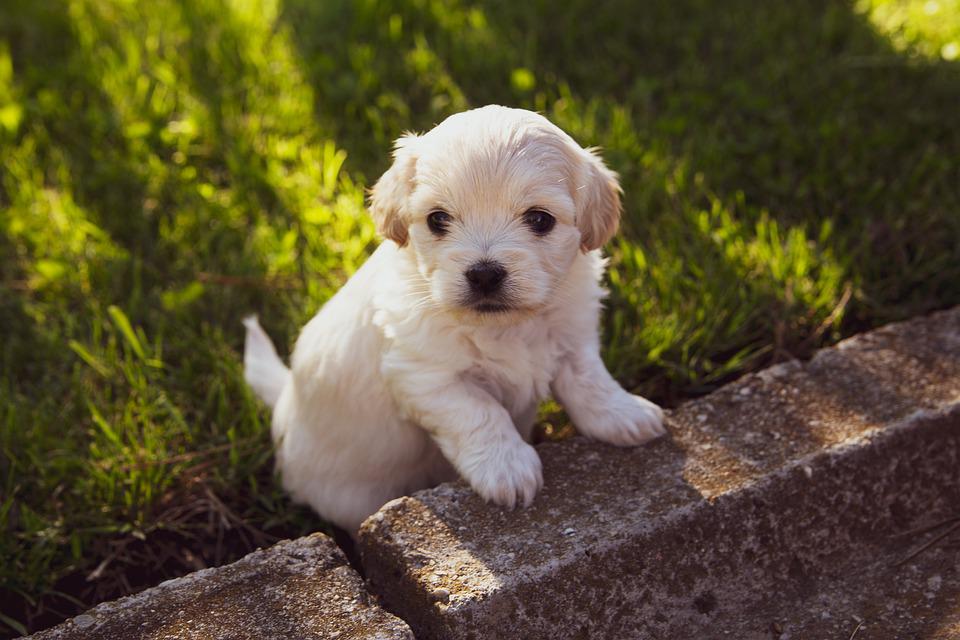
Bringing a new puppy into your home is an exciting and joyous occasion. However, it also comes with the responsibility of ensuring that your space is safe and secure for your furry friend. Just like baby-proofing for a newborn, puppy-proofing your home is essential to prevent accidents and keep your new companion out of harm’s way. In this guide, we’ll explore some tips and tricks to help you puppy-proof your home effectively.
Understand Your Puppy’s Perspective:
Before you start puppy-proofing, it’s crucial to understand things from your puppy’s point of view. Get down on all fours and explore your home from their level. Look for potential hazards such as electrical cords, small objects, or sharp corners that could pose a danger to your curious pup.
Tidy Up Loose Items:
Puppies love to explore with their mouths, which means they’re prone to chewing on anything they can get their paws on. Keep loose items like shoes, clothing, and children’s toys out of reach to prevent them from becoming chew toys. Consider investing in sturdy storage solutions to keep clutter to a minimum.
Secure Hazardous Items:
Household items such as cleaning supplies, medications, and plants can be toxic to puppies if ingested. Make sure to store these items in cabinets or high shelves that your puppy can’t access. Use childproof latches to secure cabinets and drawers, providing an extra layer of protection.
Cover Electrical Outlets and Cords:
Exposed electrical outlets and cords can pose a serious risk to curious puppies. Cover outlets with safety caps and use cord protectors to keep wires out of reach. Consider investing in cordless appliances whenever possible to eliminate potential hazards altogether.
Create Safe Zones:
Designate specific areas of your home as “puppy-friendly zones” where your furry friend can play and explore safely. Use baby gates or barriers to block off areas that are off-limits, such as staircases or rooms with delicate furniture.
Invest in Chew Toys:
Redirect your puppy’s natural chewing instincts by providing plenty of appropriate chew toys. Opt for toys made from durable materials that are specifically designed for teething puppies. Rotate toys regularly to keep your pup engaged and entertained.
Supervise and Train:
While puppy-proofing can help minimize risks, supervision is still essential, especially during the early stages of training. Keep a close eye on your puppy whenever they’re exploring new areas of your home, and be ready to intervene if they get into mischief. Consistent training and positive reinforcement will help teach your puppy what behaviors are acceptable.
Puppy-proofing your home is an important step in providing a safe and nurturing environment for your new furry family member. By taking proactive measures to identify and eliminate potential hazards, you can create a space where your puppy can thrive and grow without unnecessary risks. Remember, a little extra effort upfront will go a long way in ensuring a lifetime of happiness and companionship with your beloved pup.