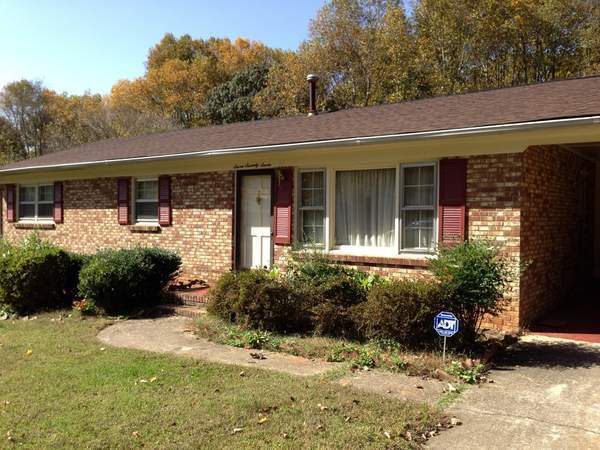
Radon, often described as a silent intruder, poses a significant risk in 1 out of 15 homes across the nation. As a colorless and odorless radioactive gas, radon can go undetected without proper testing, yet it remains a leading cause of lung cancer among non-smokers. Understanding the risks and taking preventive measures is crucial for homeowners and prospective buyers alike. Ensuring a safe living environment involves awareness and action, highlighting the need for expert home inspection services.
Understanding Radon: The Invisible Threat
Radon is naturally occurring, originating from the decay of uranium found in soil and rock. This gas can seep into homes through cracks in floors, walls, and foundations, accumulating to dangerous levels. According to the Environmental Protection Agency (EPA), any home, regardless of age or design, can have a radon problem. The EPA recommends taking action if radon levels are at or above 4 picocuries per liter (pCi/L).
- Radon entry points include construction joints, gaps around service pipes, and cavities inside walls.
- Homes with basements or those built on slab foundations are particularly vulnerable.
- Testing is the only way to determine radon levels; professional inspectors use specialized equipment to ensure accuracy.
Effective Radon Mitigation Strategies
Once radon is detected, homeowners have several options for mitigation. Professional radon mitigation systems can significantly reduce indoor radon levels, enhancing the safety of the home. Key mitigation strategies include:
- Sub-slab Depressurization: This is the most common and effective method, involving the installation of a vent pipe system and fan to pull radon from beneath the house and release it outside.
- Sealing Cracks and Openings: While not a standalone solution, sealing can enhance the effectiveness of other mitigation methods.
- Home Ventilation: Increasing air exchange in the home can help dilute radon concentrations.
Professionals should adhere to standards set by organizations like the American Association of Radon Scientists and Technologists (AARST) to ensure effective mitigation.
The Role of Professional Home Inspections
Regular home inspections play a vital role in identifying radon risks and implementing appropriate solutions. Certified inspectors can provide comprehensive radon testing and recommend tailored mitigation strategies, ensuring a safer home environment. By investing in professional inspections, homeowners can protect their families and maintain property value.
In conclusion, understanding and addressing radon is a critical aspect of maintaining a healthy home. Professional home inspection services offer the expertise necessary to detect and mitigate this silent threat, providing peace of mind and safety for homeowners and their families.