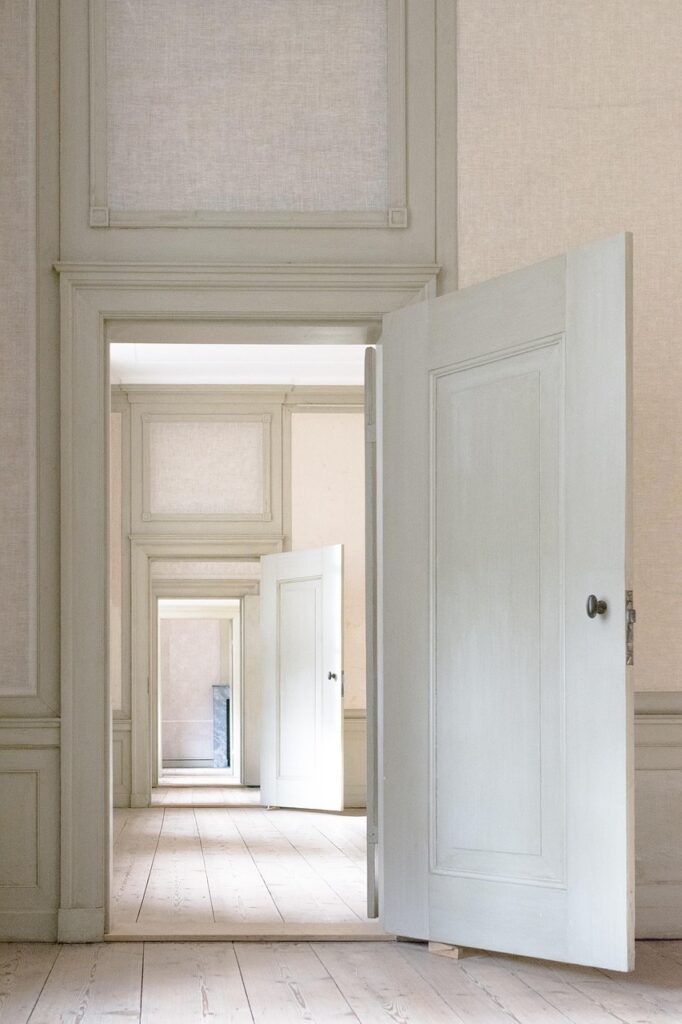
Doors, often overlooked yet essential components of our living spaces, serve as gateways to privacy, security, and convenience. But without proper support and management, they can be inconvenient, hazardous, and disruptive. This is where the humble doorstop steps in as a small yet indispensable accessory. In this blog, we will explore why doorstops are necessary and what kind is best suited for various situations.
- Preventing Damage and Hazards
Doors swinging wildly can cause damage to walls, furniture, or the door itself. A doorstop provides a cushioning effect, preventing doors from slamming shut and potentially causing harm or structural damage. It’s a simple solution to a potentially costly problem. - Maintaining Air Circulation
In warmer months, we often seek ventilation and fresh air circulation within our living spaces. An open door can facilitate this, allowing air to move freely throughout the house. However, an unrestricted door may inadvertently close due to drafts or minor disturbances. A doorstop ensures your door remains ajar, enabling optimal airflow and ventilation. - Child and Pet Safety
For families with young children or pets, a doorstop can be a lifesaver. It prevents little fingers or curious paws from getting caught in closing doors, averting potential injuries. Moreover, doorstops can be strategically placed to create safe play zones by keeping doors open and out of harm’s way. - Convenience and Functionality
Imagine carrying an armful of groceries, struggling to open a door, only to have it swing shut behind you. A doorstop maintains a door in an open position, making it easier to carry items, move furniture, or even facilitate ease of communication between rooms. It’s a small yet significant convenience that adds to the functionality of your living space.
Choosing the Right Doorstop
Now that we understand the importance of doorstops, let’s delve into the types available to suit different needs:
a. Wedge Doorstops
These are the most common and versatile doorstops. Made of rubber, plastic, or wood, they are shaped like a wedge and can be easily placed under the door to keep it open. They’re simple, inexpensive, and effective for everyday use.
b. Magnetic Doorstops
Magnetic doorstops are mounted on the wall and have a magnetic catch on the door. They’re ideal for those who want a door to stay open at a specific angle. When not needed, they neatly hold the door in place, maintaining a tidy appearance.
c. Hinge Pin Doorstops
These doorstops replace a hinge pin in the door hinge, providing a fixed stopping point. They are discreet and avoid clutter on the floor, making them suitable for doors in tight spaces.
d. Floor-Mounted Doorstops
Floor-mounted doorstops are more permanent fixtures installed into the floor. They are highly durable and suitable for heavy doors. They also come in various designs to match your décor.
e. Spring Doorstops
Spring doorstops are attached to the baseboard or wall and use a spring mechanism to cushion the impact of a closing door. They’re efficient and low-profile, making them a good choice for smaller rooms.
In conclusion, a doorstop might seem like a minor addition to your home, but its benefits are significant. From preventing damage to enhancing convenience and safety, doorstops are a necessity for any household. Choose the right type based on your requirements, and you’ll wonder how you ever lived without one.